
Public Transport
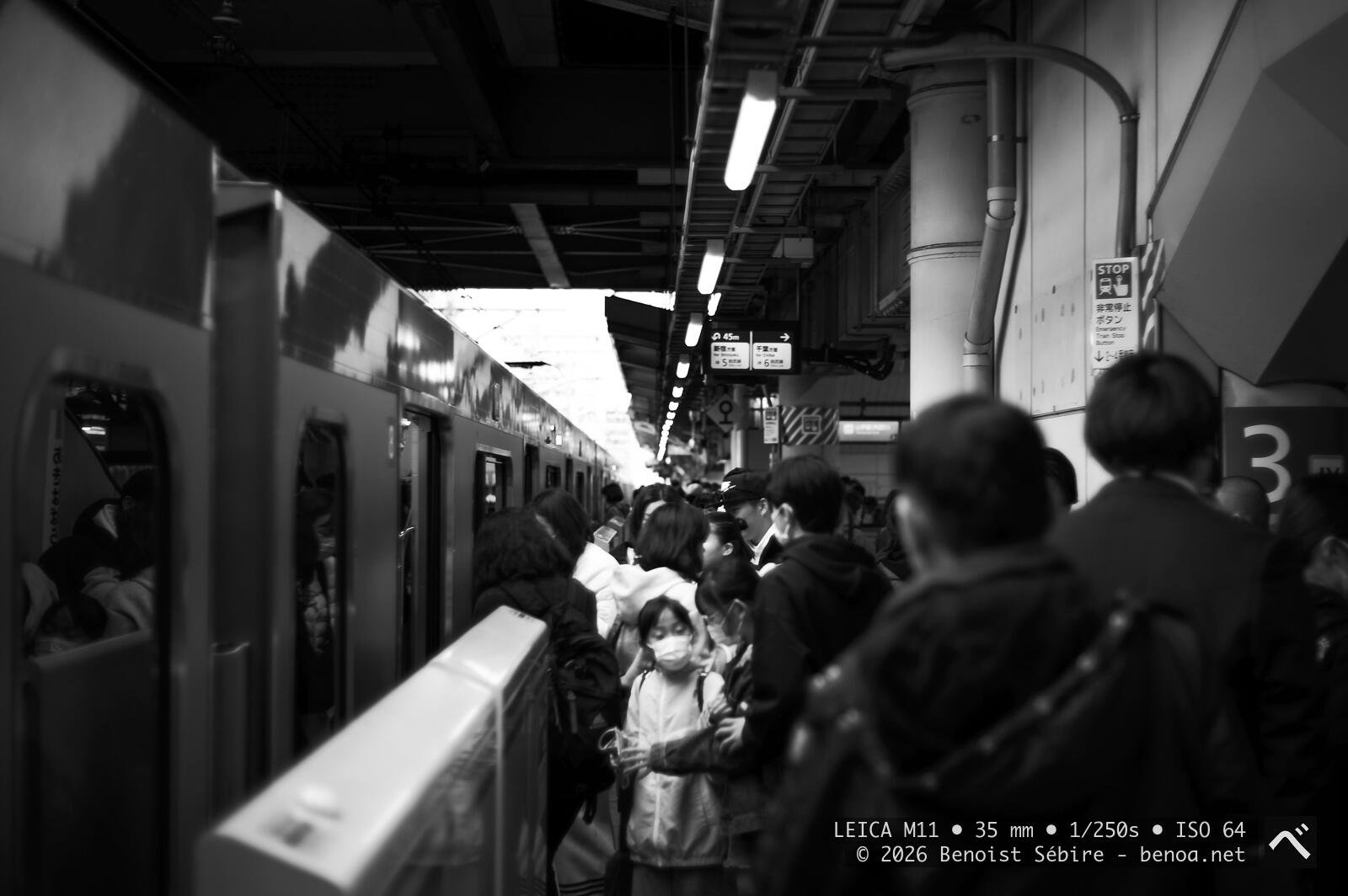
Public transport in Japan has its harsher moments, especially when the rush compresses everyone into the same few carriages. Step outside those hours, though, and the experience shifts noticeably. The same trains feel lighter, the platforms less hurried, and the journey begins to open up.
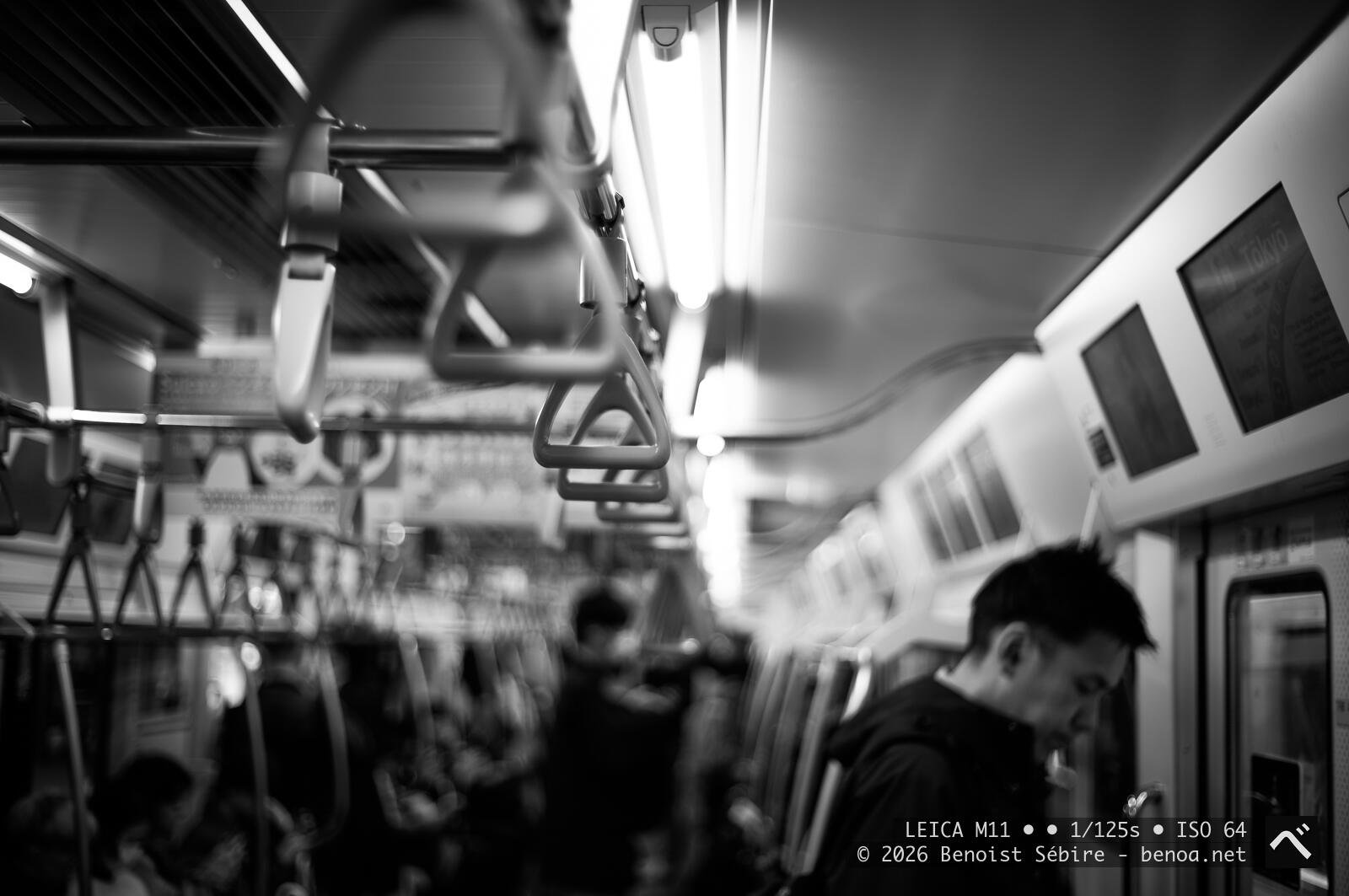
Mid-morning or late evening, there is space to stand without bracing yourself, sometimes even a seat by the window. The city moves at a gentler pace, and details that go unnoticed in the crush start to surface. Glimpses of neighbourhoods sliding past, the soft chime of station melodies, the quiet rhythm of the carriage as it moves between stops.
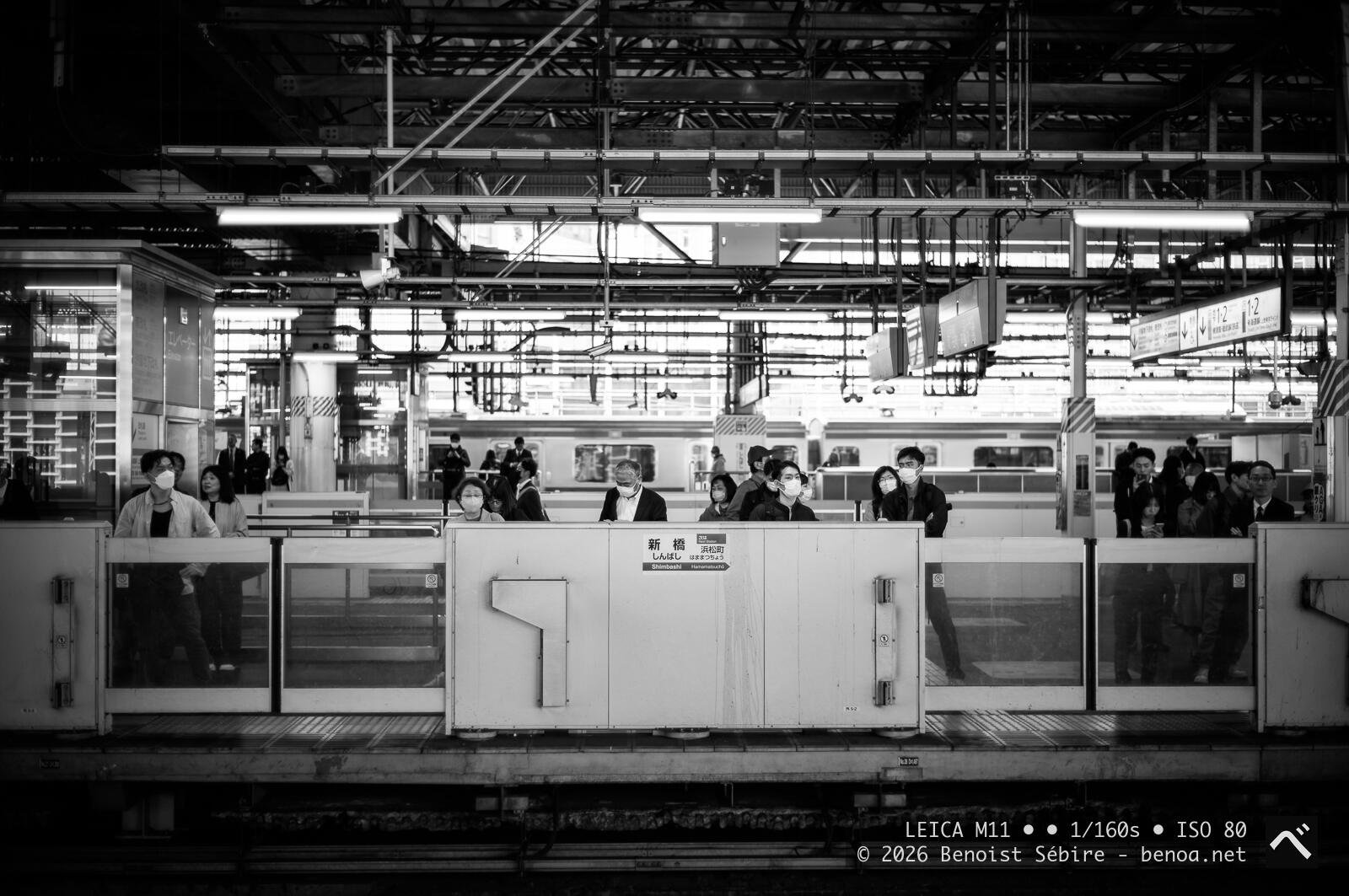
Lines passing through places like Shinjuku Station or Tokyo Station still carry their importance, but without the urgency. Commuters are fewer, conversations a touch more relaxed, and there is room to observe rather than endure.
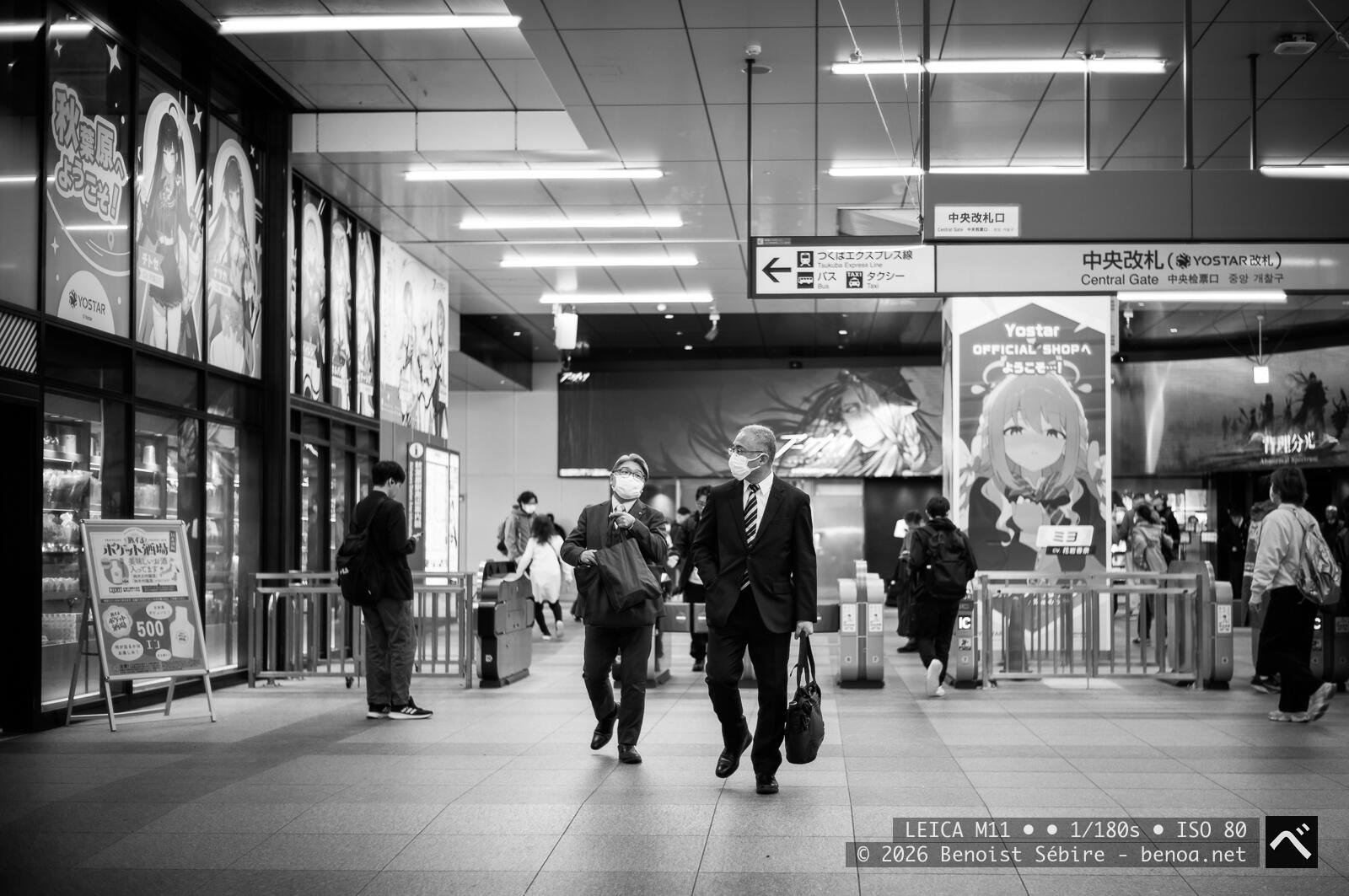
It is in these off-peak hours that the system feels most balanced. Still efficient, still precise, but finally comfortable enough to enjoy, even if only for a few stops at a time. But it is worth avoiding the last train. As midnight approaches, the atmosphere changes again, with tired workers, late-night revellers, and a certain heaviness settling into the carriages. It can feel less predictable, a little rougher around the edges, and far from the calm rhythm found earlier in the evening.