Exploring

Travel photography is my way of preserving the experiences, cultures, and stories I encounter in Japan and across the globe. In Japan, every corner offers something unique—mist-covered mountains in the countryside, bustling streets lit by neon in the cities, and serene temples standing quietly amidst the modern world. Cherry blossoms in spring, vibrant festivals in summer, fiery autumn leaves, and snow-covered landscapes in winter provide an ever-changing canvas to capture. Beyond Japan, the world offers a vibrant palette of contrasts. From the historic charm of European cobblestone streets to the vibrant chaos of Southeast Asian markets, every destination has its own rhythm and soul. Whether it’s the golden hues of a desert sunrise, the vibrant colors of local cuisine, or the candid moments of people going about their lives, my photos aim to tell stories of places and people and offer an intimate look at the world’s beauty, one shot at a time.

  • Horseback Riding

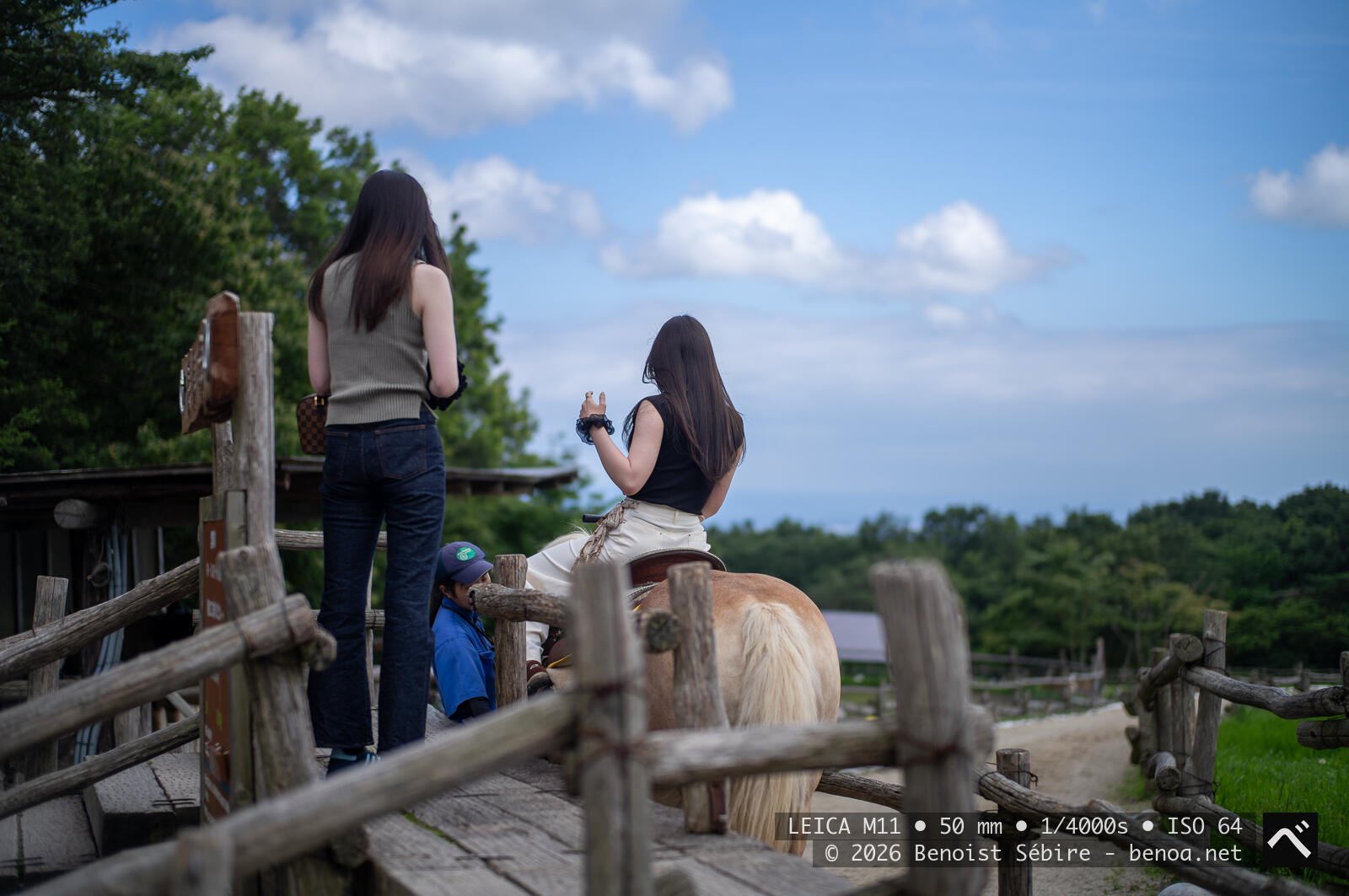
    If you’re new to horseback riding, Nasu is one of the best places in Japan to try a short, gentle ride. Local farms offer beginner‑friendly courses where trained staff guide you through peaceful fields and quiet ranch paths, making it easy to relax and enjoy the experience. These short rides, perfect for families, couples, and…

  • Combini Window

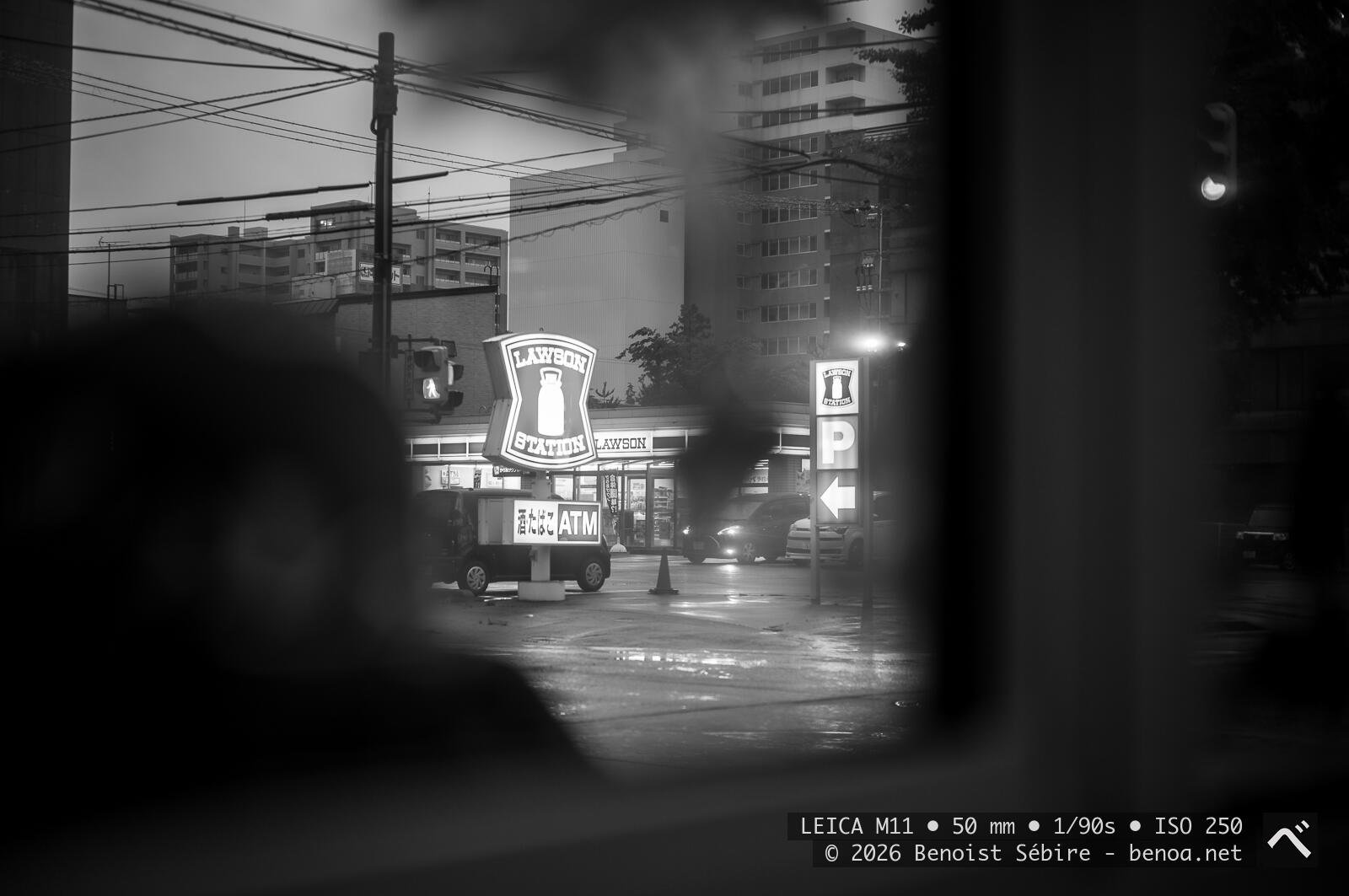
    I was waiting for my food, passing the time with the M11 and the Summilux 50mm. Evening light was settling over the street, soft and a little tired. Through the window, the combini sign across the road stood out against the dimming sky. I aimed the camera at it, letting the glass add a slight…

  • |

    Ferry to Hakodate

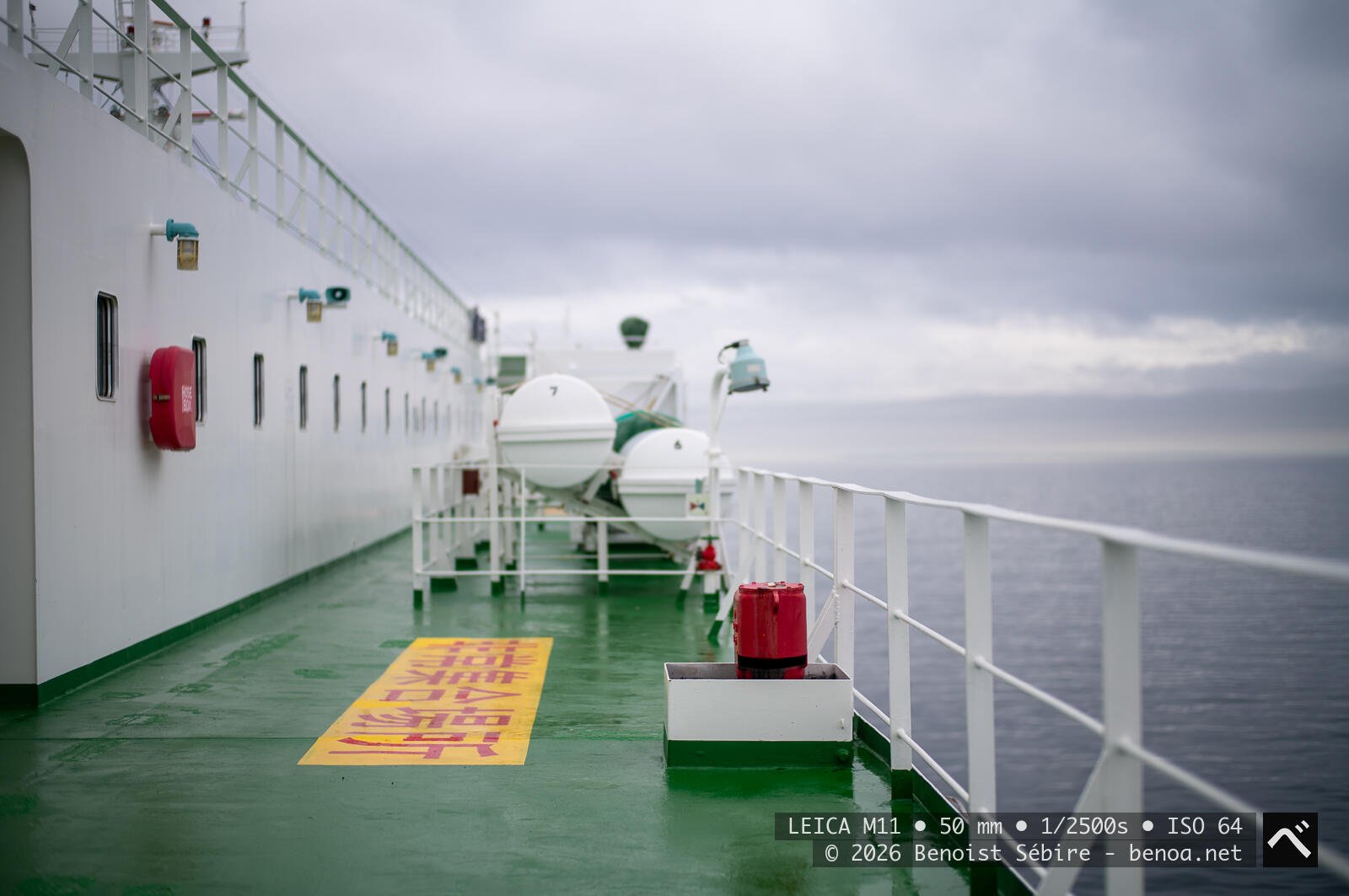
    The ferry from Aomori to Hakodate feels like a reward you get after surviving the long drive from Tokyo. A quiet medal, handed without ceremony. I reached Aomori the night before. Business hotel, functional lighting, the usual carpet pattern that looks like it was designed by a committee afraid of colours. At 5:30, I got…

  • Sankaku Market

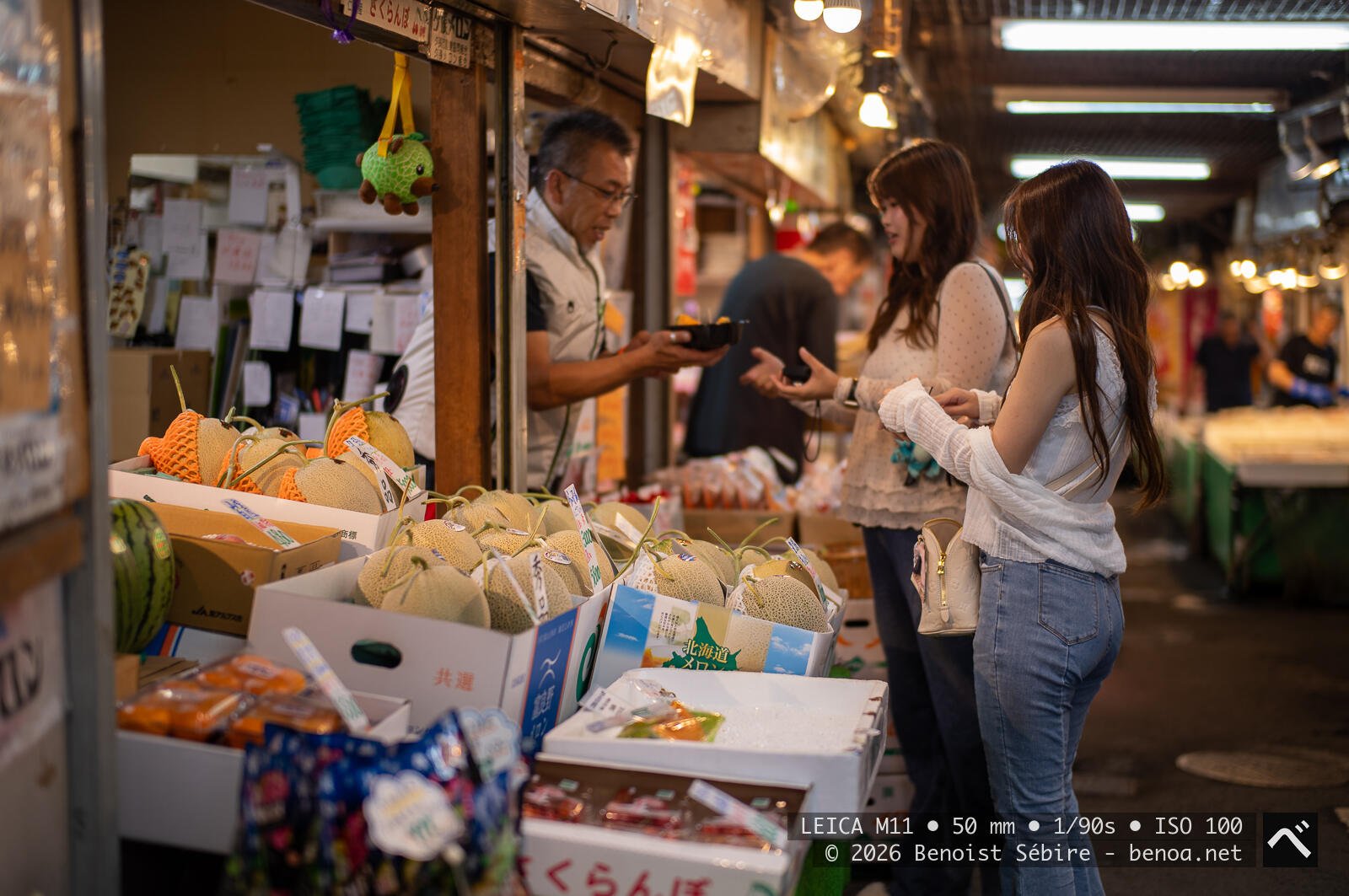
    Sankaku Market in Otaru is the kind of “authentic” seafood alley that’s now mostly authentic in how efficiently it extracts money from tourists. The lantern-lit corridor and stacked crab displays make for great photos, and that’s precisely where the charm ends. We even tried a salmon‑ikura‑don, lured in by the glossy menu photo showing a…

  • Nasu Escape

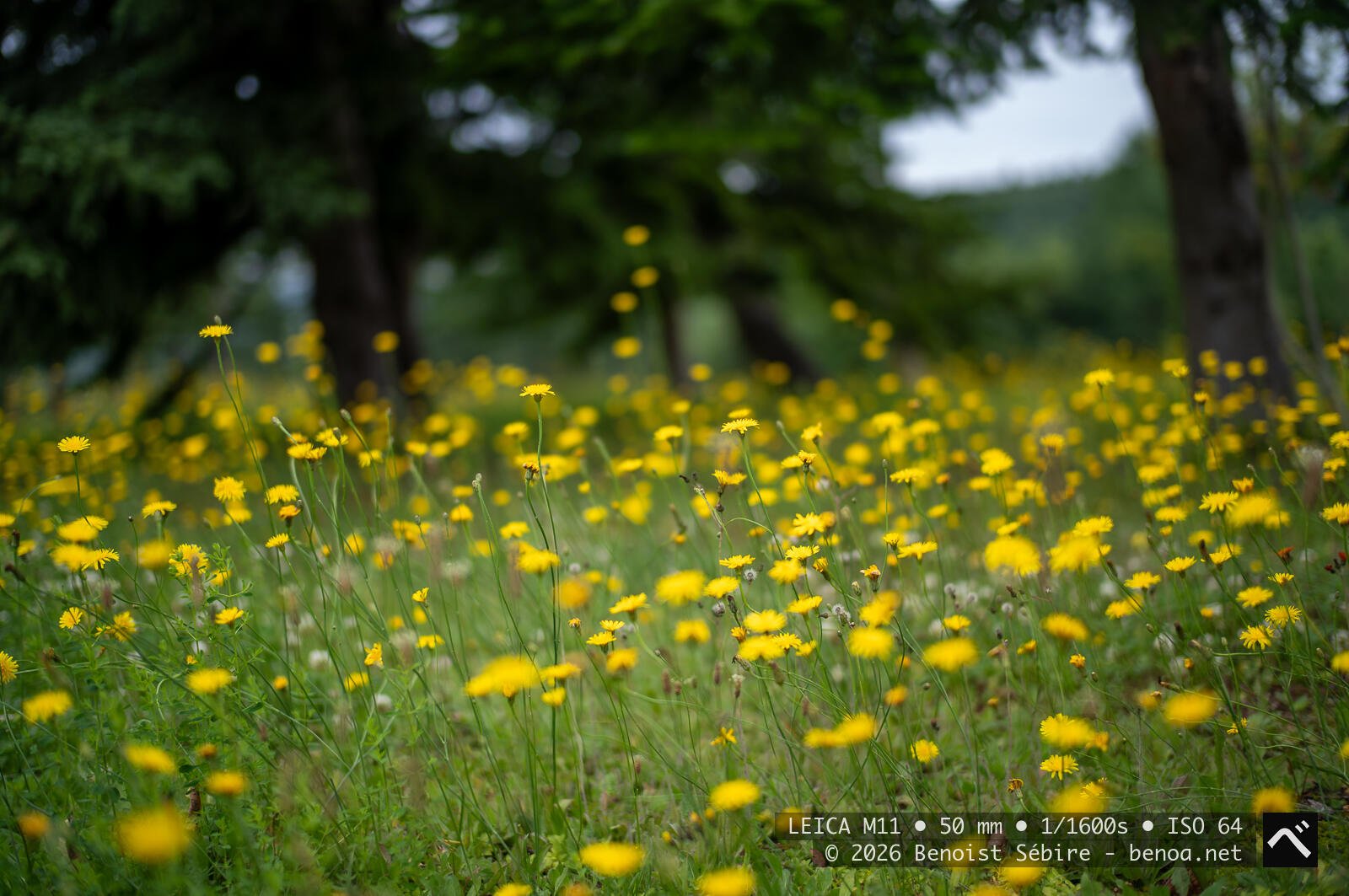
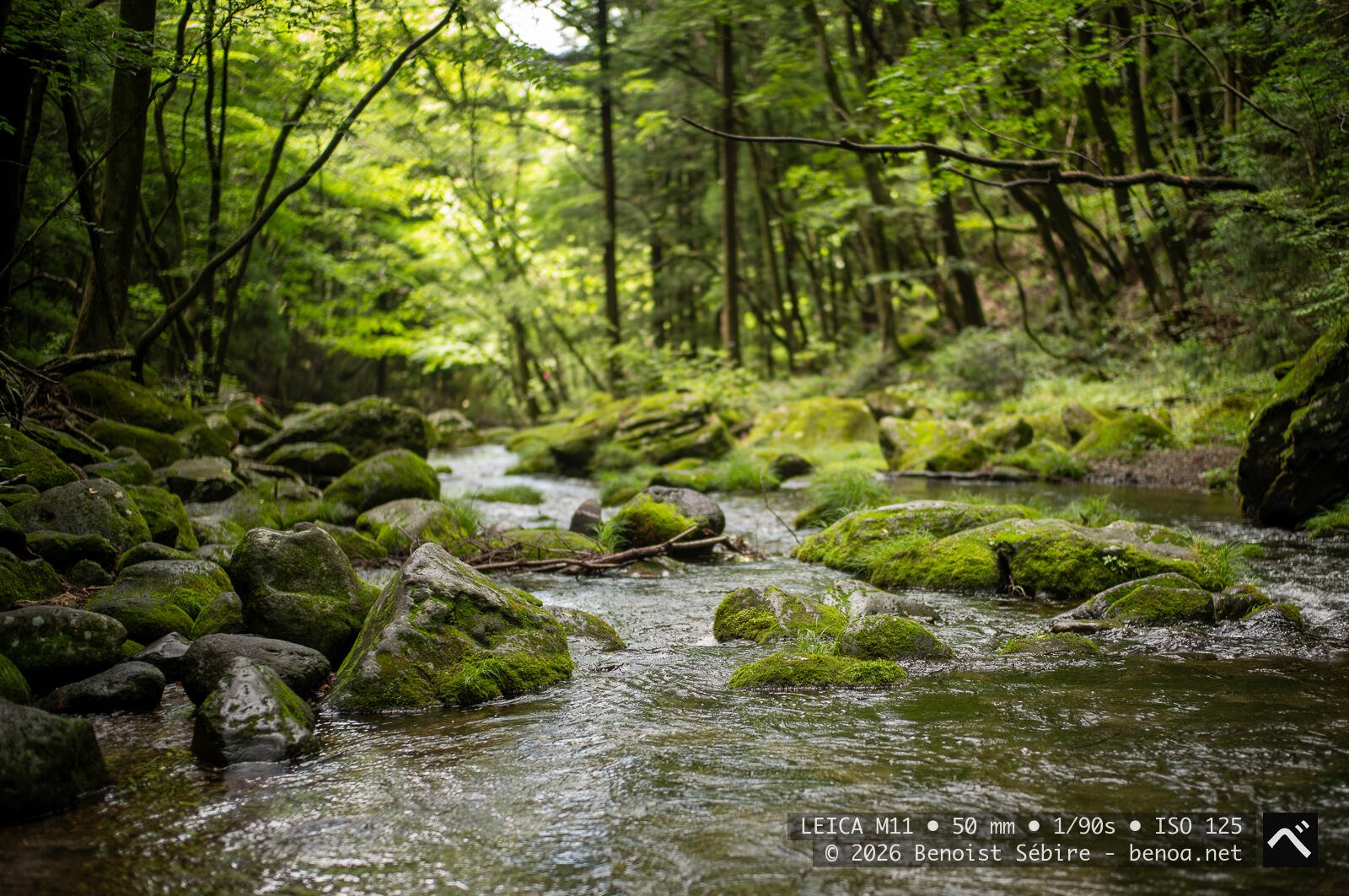
    When Tokyo swelters and the city feels like a slow oven, Nasu Kogen opens like a cool breath. High meadows, pine-scented air, and a river that threads the valley make this plateau one of the gentlest refuges from midsummer. For anyone craving shade, slow footsteps, and the quiet music of water, a walk along the…

  • SanHe Ancient Town

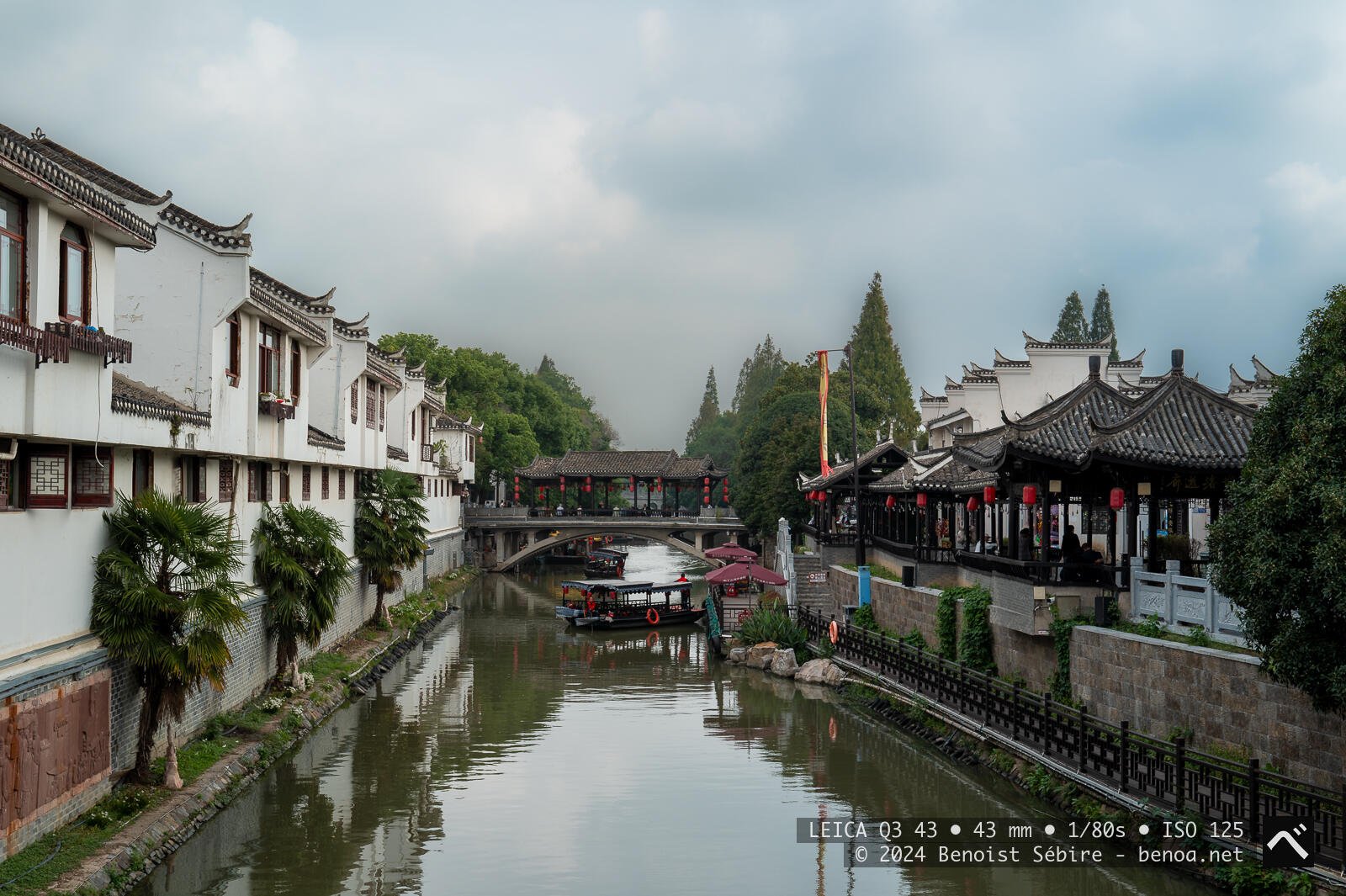
    Sanhe Ancient Town (三河古镇), located about 30 kilometers south of Hefei in Anhui Province, is a living relic of Chinese history and culture. Named for the three rivers that meet at its center—丰乐河 (Fengle River), 杭埠河 (Hangbu River), and 小南河 (Xiaonan River)—Sanhe has been shaped by water for over two millennia. The rivers not only gave it…

  • |

    Pitan Egg

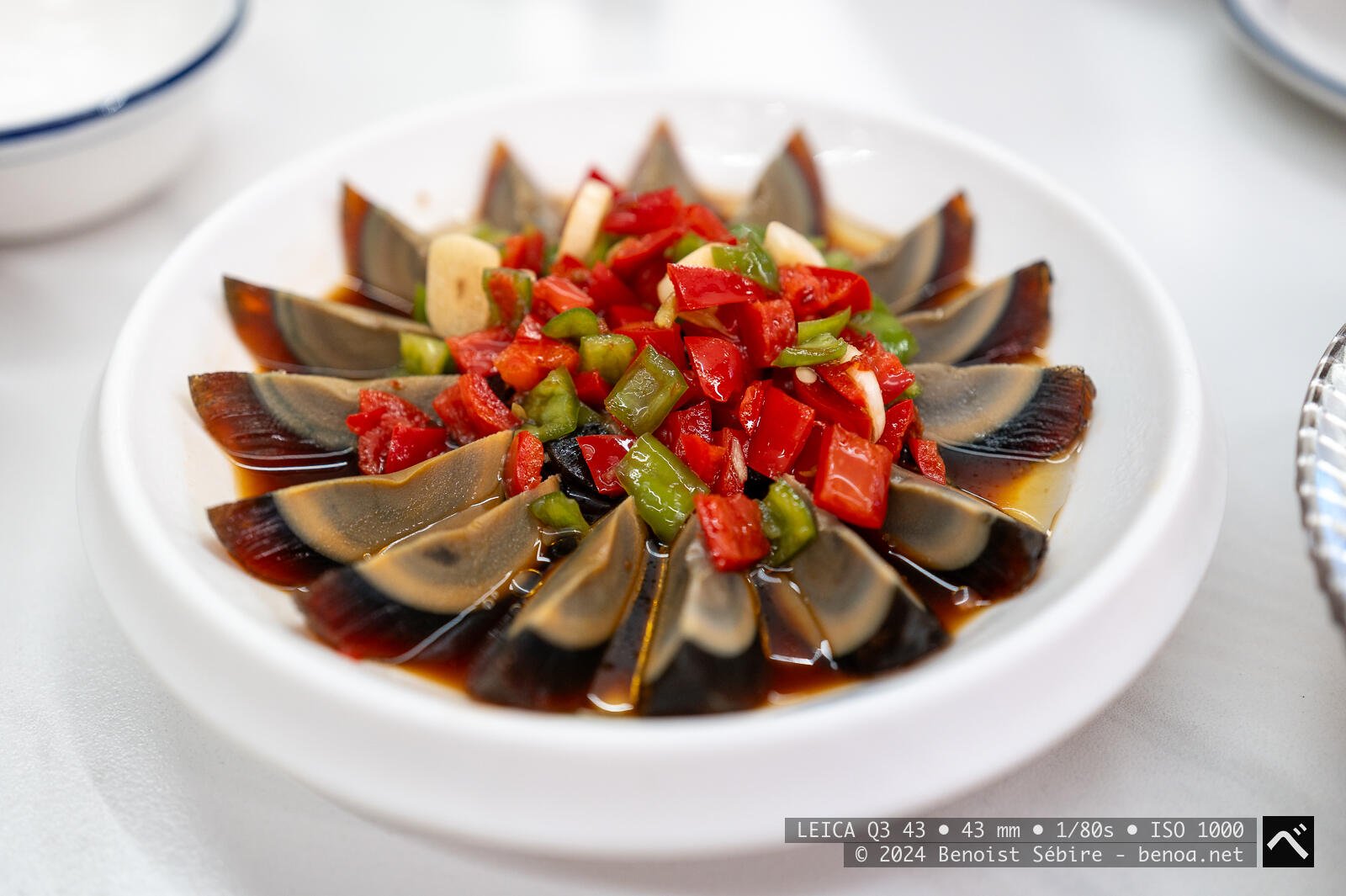
    Pitan (皮蛋), or century egg, is one of the most misunderstood delicacies in Chinese cuisine. Despite the nickname, it’s not actually a hundred years old — it’s usually preserved for a few weeks to a few months using a mix of clay, ash, salt, and other alkaline ingredients. The result? A black, translucent egg white…

  • |

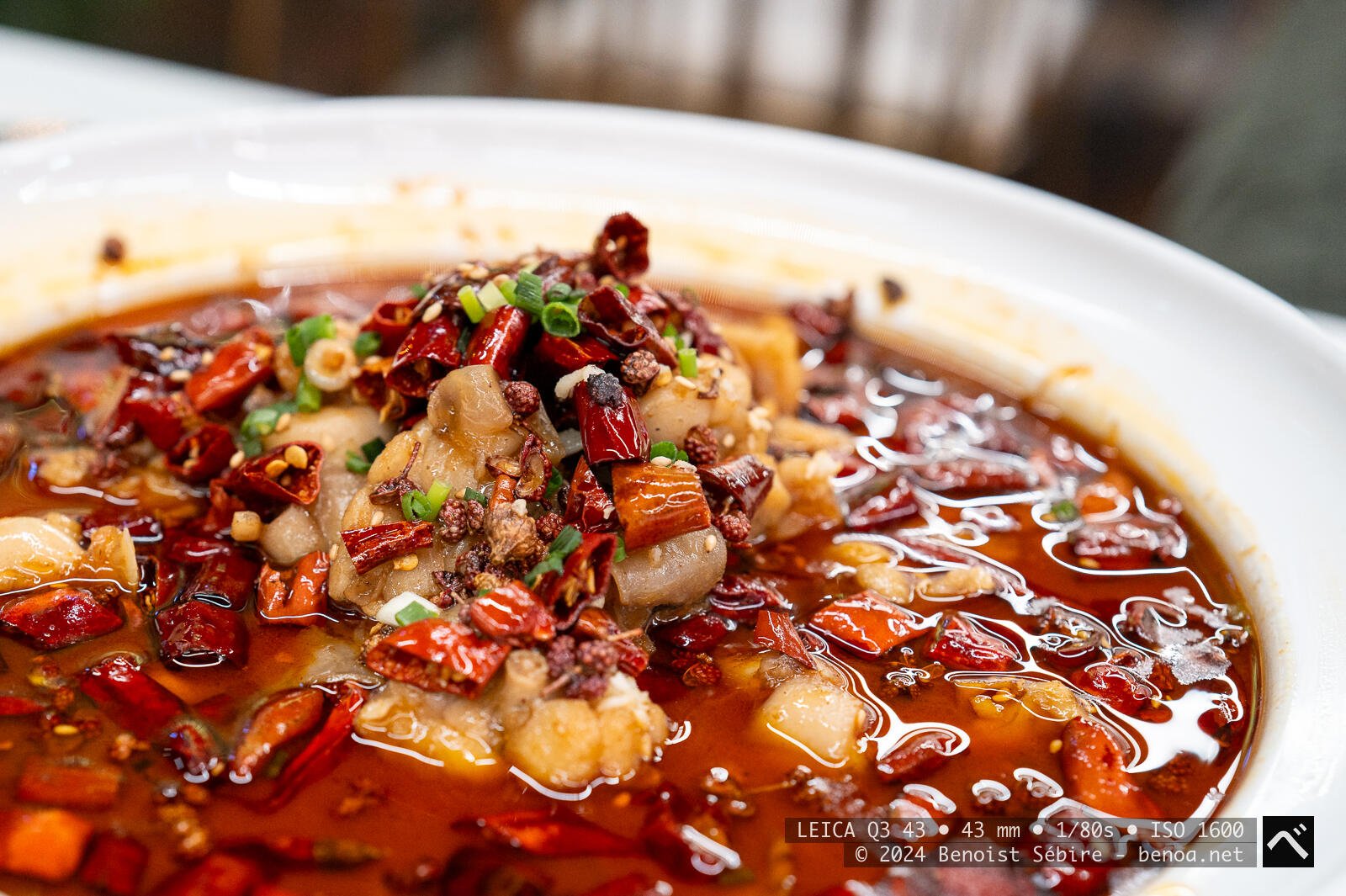
    Sichuan Food

    China is a vast country with a rich and diverse food culture. Each region has its own distinct flavors, ingredients, and cooking styles — from the delicate dim sum of Guangdong to the hearty wheat-based dishes of the north. But out of all the regional cuisines, my favorite is Sichuan food. Sichuan cuisine stands out…

  • Chinese Taxi

    Chinese taxis have changed a lot in the past decade. They used to be mostly old, gas-powered sedans—often worn out, not especially clean, and with drivers who preferred cash. Now, in most cities, they’re modern, clean, and mostly electric. The shift to electric vehicles has been rapid, especially in major cities, where government policies pushed…

  • Tokyo Canals

    Tokyo has a surprising number of canals, a legacy from when it was known as Edo. The city’s network of rivers, canals, and moats supported commerce, transport, and defense. Today, many of these waterways still exist, though their roles have shifted. Central Tokyo’s Nihonbashi area preserves some of the oldest canals, once the beating heart…