
Shimbashi
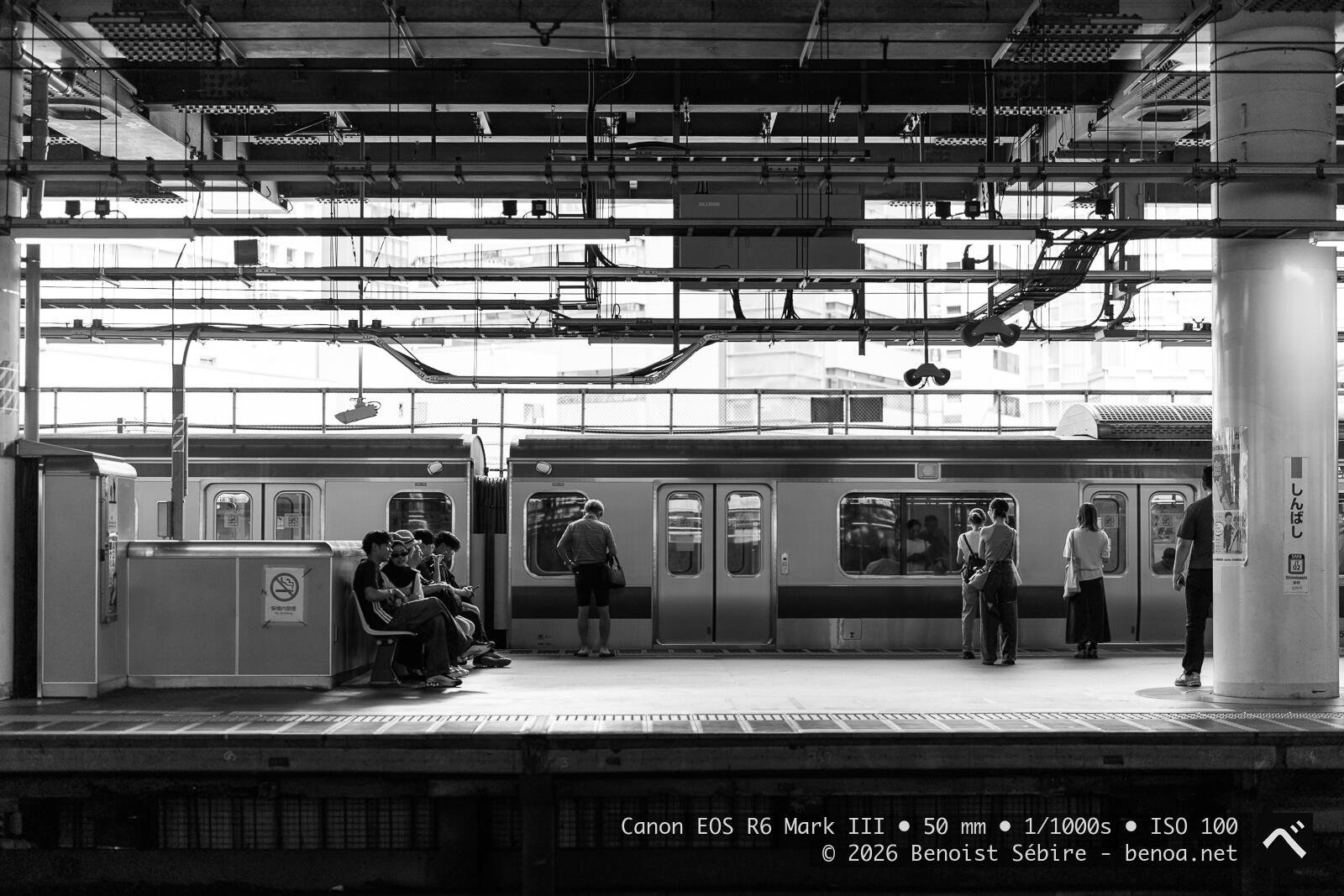
Shimbashi Station sits in Minato Ward like a perpetual motion machine powered by commuters, neon, and the faint smell of grilled skewers drifting in from the side streets. It opened in 1909 under the name Karasumori, then adopted the Shimbashi identity in 1914 when Tokyo Station took over as the grand gateway of the Tōkaidō Line. The area’s older claim to fame, the original 1872 Shimbashi Station, marked the birth of Japan’s railway system, a detail the neighbourhood mentions with the confidence of someone who peaked early.
Today the station is a major interchange, serving JR East, Tokyo Metro’s Ginza Line, Toei’s Asakusa Line, and the Yurikamome, which begins its elevated glide toward Odaiba from here. Daily passenger numbers are impressive, more than 460,000 for JR East alone in FY2023, a statistic that explains why the concourse often feels like a controlled stampede.
Step outside the Hibiya Exit and you reach SL Square, a plaza famous for salarymen interviews and a preserved steam locomotive that looks slightly bewildered by its urban surroundings. The neighbourhood mixes business towers with narrow alleys full of izakaya, a contrast that makes Shimbashi feel both polished and pleasantly chaotic. The nearby Shiodome district, once a freight yard, is now a forest of glass towers thanks to 2000s redevelopment.
For photography, Shimbashi rewards anyone who enjoys urban density. The elevated Yurikamome tracks offer clean lines, the station signage glows nicely at dusk, and the crowds provide endless candid opportunities. It is not serene, but it is honest, a place where motion never pauses long enough to pretend otherwise.
If you want a quieter frame, the Old Shimbashi Station Museum sits a short walk away, preserving the look of the 1872 terminal. It is a small reminder that even in a district obsessed with speed, someone thought it wise to keep one building that refuses to hurry.