Kamui Cape
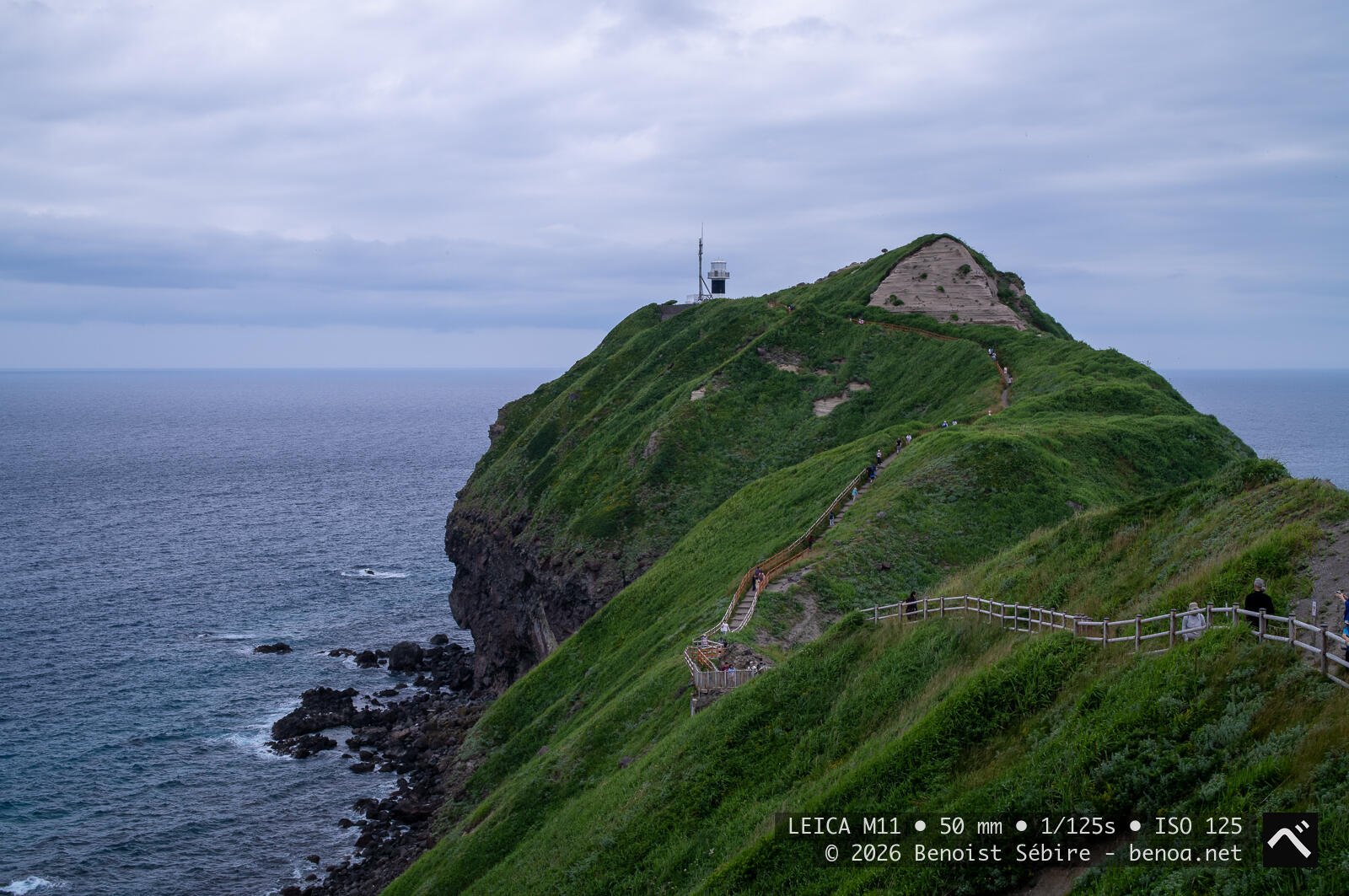
Cape Kamui sits on the Shakotan Peninsula like a long green finger pointing dramatically at the Sea of Japan, a gesture that feels slightly accusatory if you arrive on a windy day. The cape’s name comes from the Ainu word for “god,” which sets expectations rather high, although the scenery does a decent job of living up to the branding. The water here has its own celebrity status, Shakotan Blue, a colour so clear it makes other coastlines look like they need a filter.
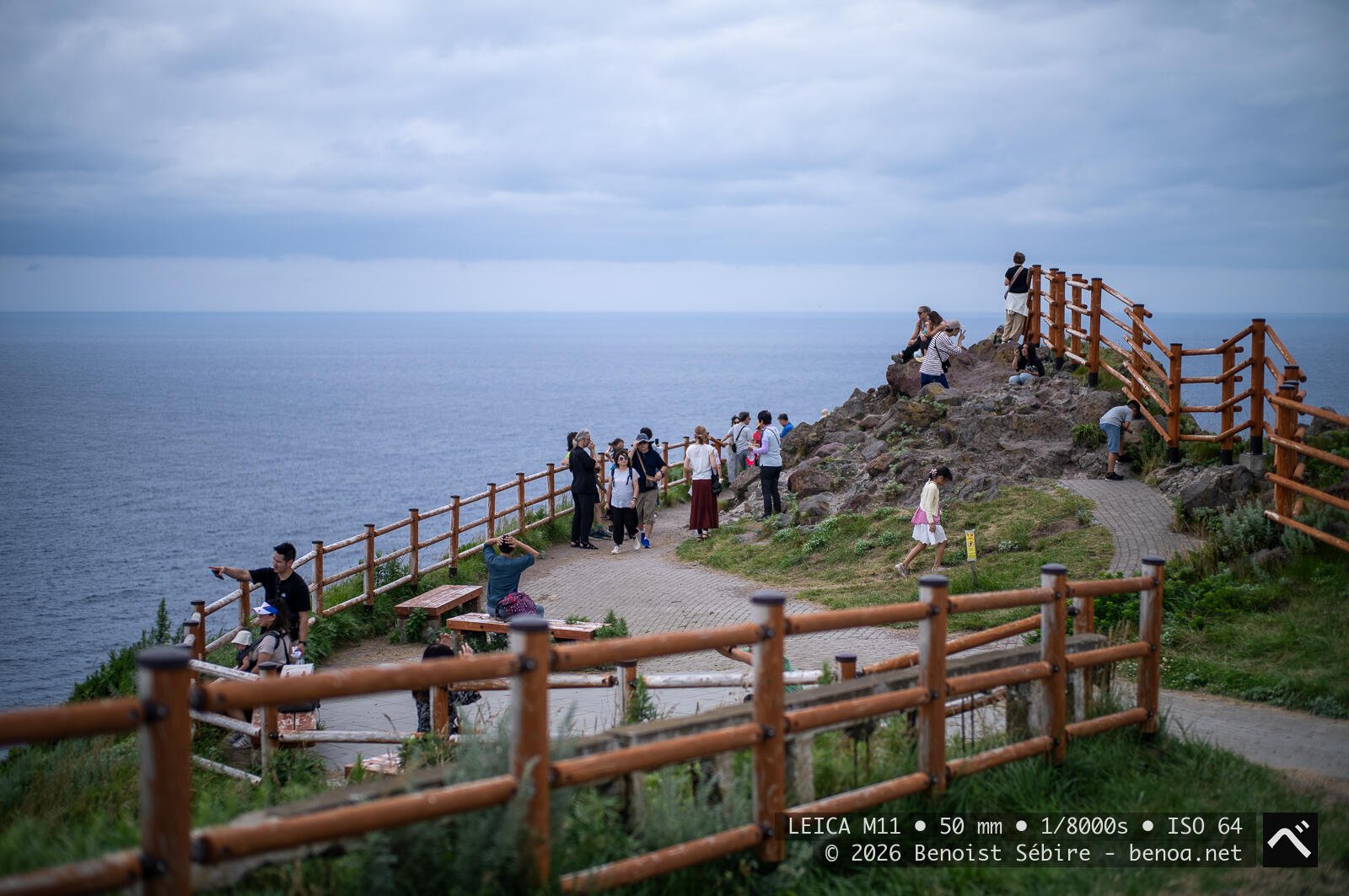
The walk to the tip follows the Charenka Path, a 770 metre ridge trail with drops on both sides. It takes about twenty minutes, unless you stop every few metres to photograph the cliffs, the lighthouse, or the sea that insists on being photographed. The path is exposed, so the wind often tries to negotiate ownership of your hat. The trail passes the old Nyonin Kinsei gate, a relic from the days when women were banned from entering, a rule now retired along with most other bad ideas.
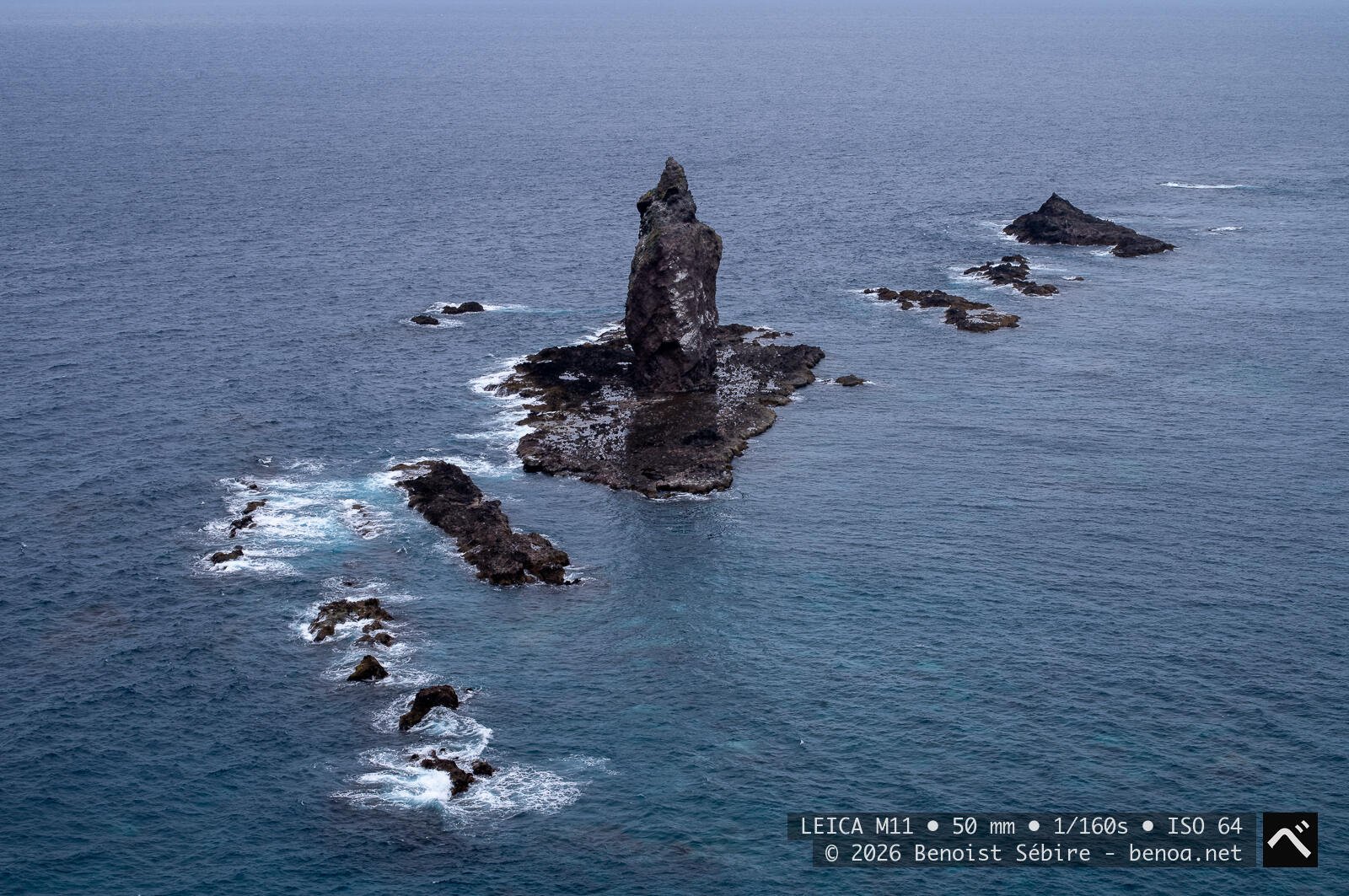
At the end of the ridge, Kamui Rock rises from the water, a 41 metre sea stack tied to the legend of Charenka. Whether or not you enjoy folklore, the rock is undeniably photogenic, especially when the sea is calm and the blue turns glassy. Summer offers the clearest views, and on sunny days the colour becomes so intense it feels slightly competitive.
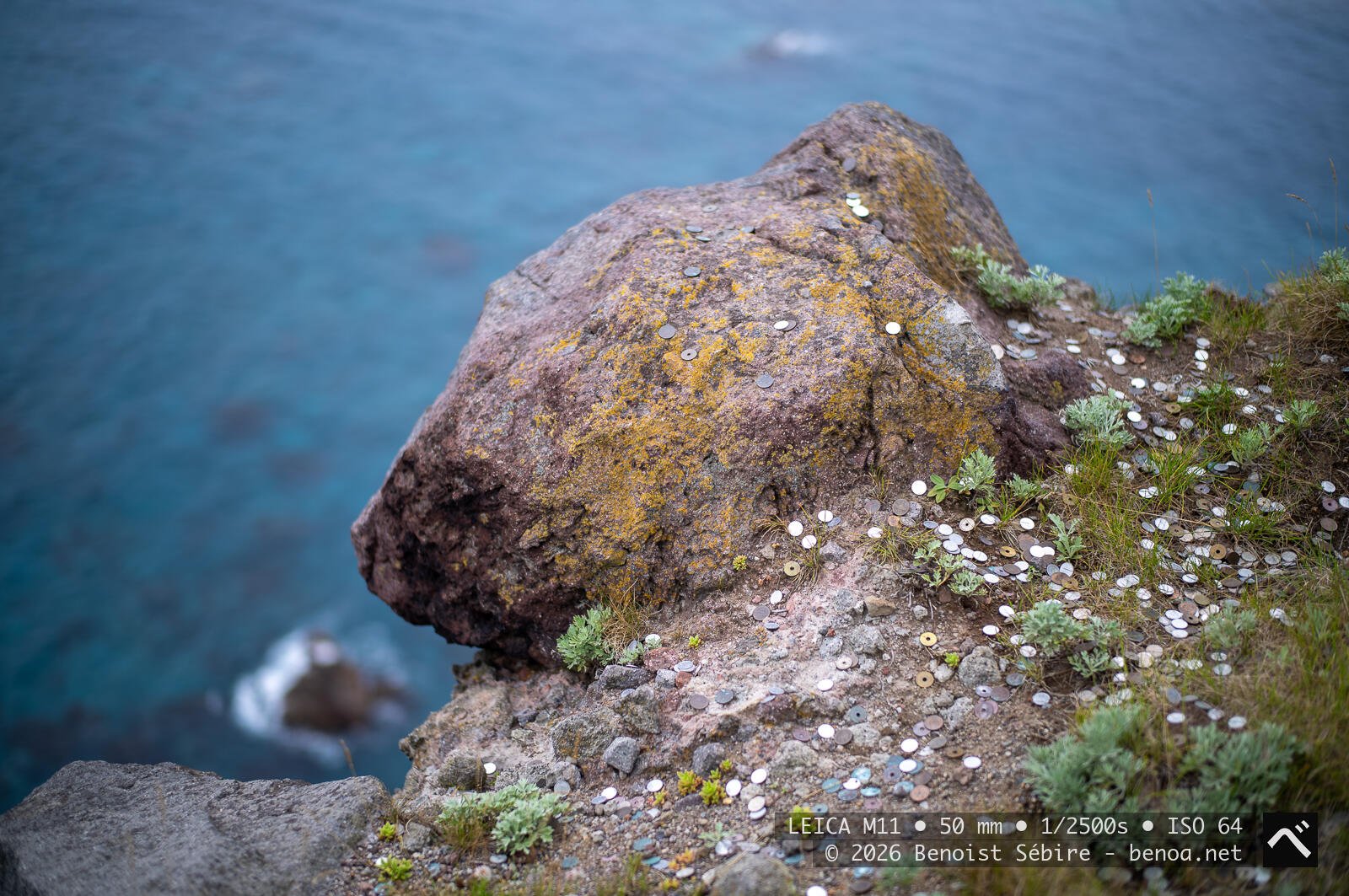
Travel logistics are refreshingly simple. The cape is free to enter, parking is free, and the walk is short enough that even casual travellers can manage it. The catch, because there is always one, is the wind. Strong gusts close the path entirely, so checking the gate hours and conditions saves you from discovering the closure only after you have heroically driven out from Otaru or Sapporo.
Photography here rewards patience. The ridge gives clean leading lines, the lighthouse adds scale, and the cliffs drop into water so clear you can see rocks beneath the surface. If you want a bonus shot, the nearby Shimamui Coast delivers another set of dramatic cliffs and that same impossible blue. And if you prefer your travel days to end with seafood, summer uni is in season, which pairs nicely with the satisfaction of surviving the wind.
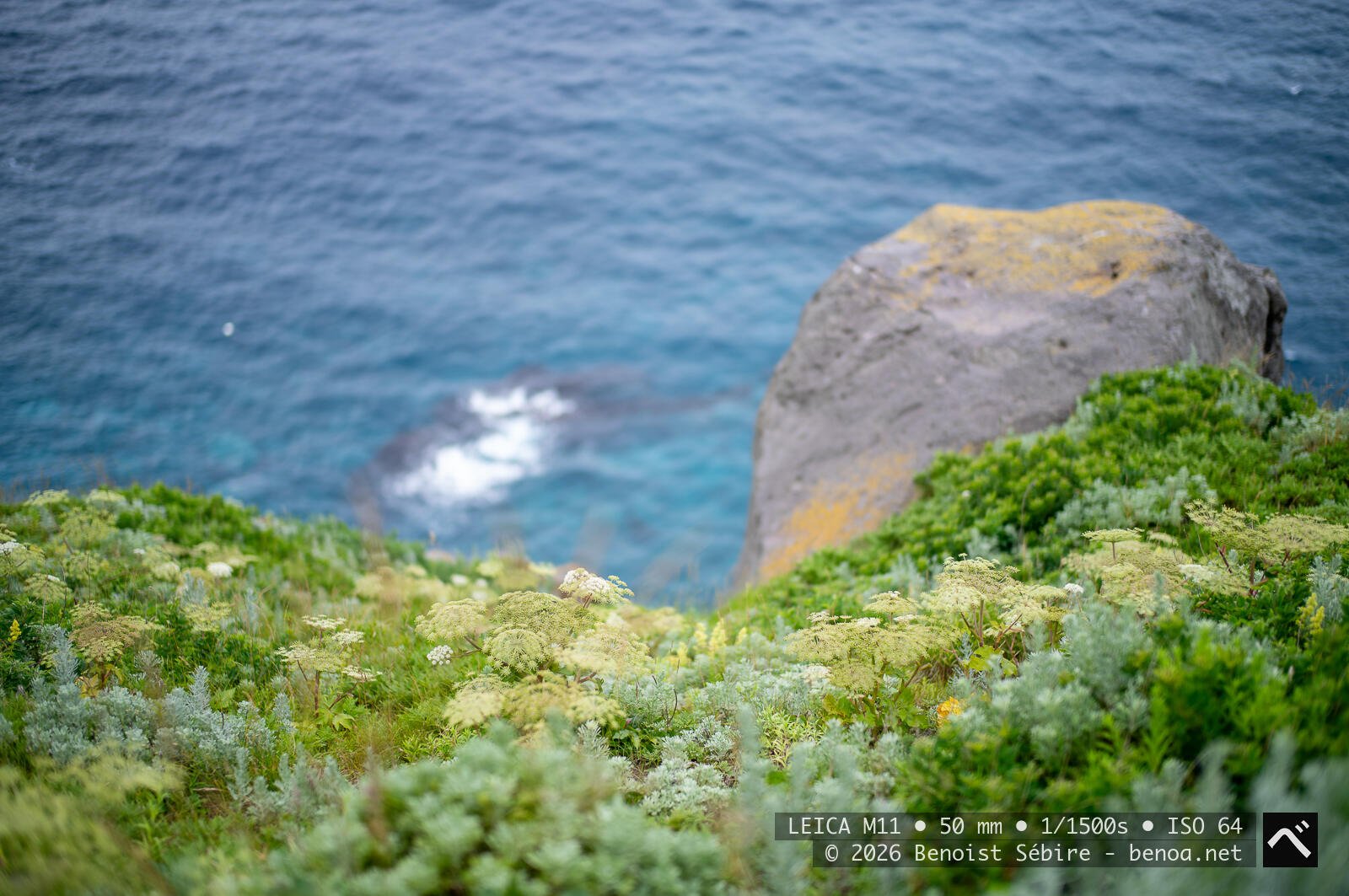
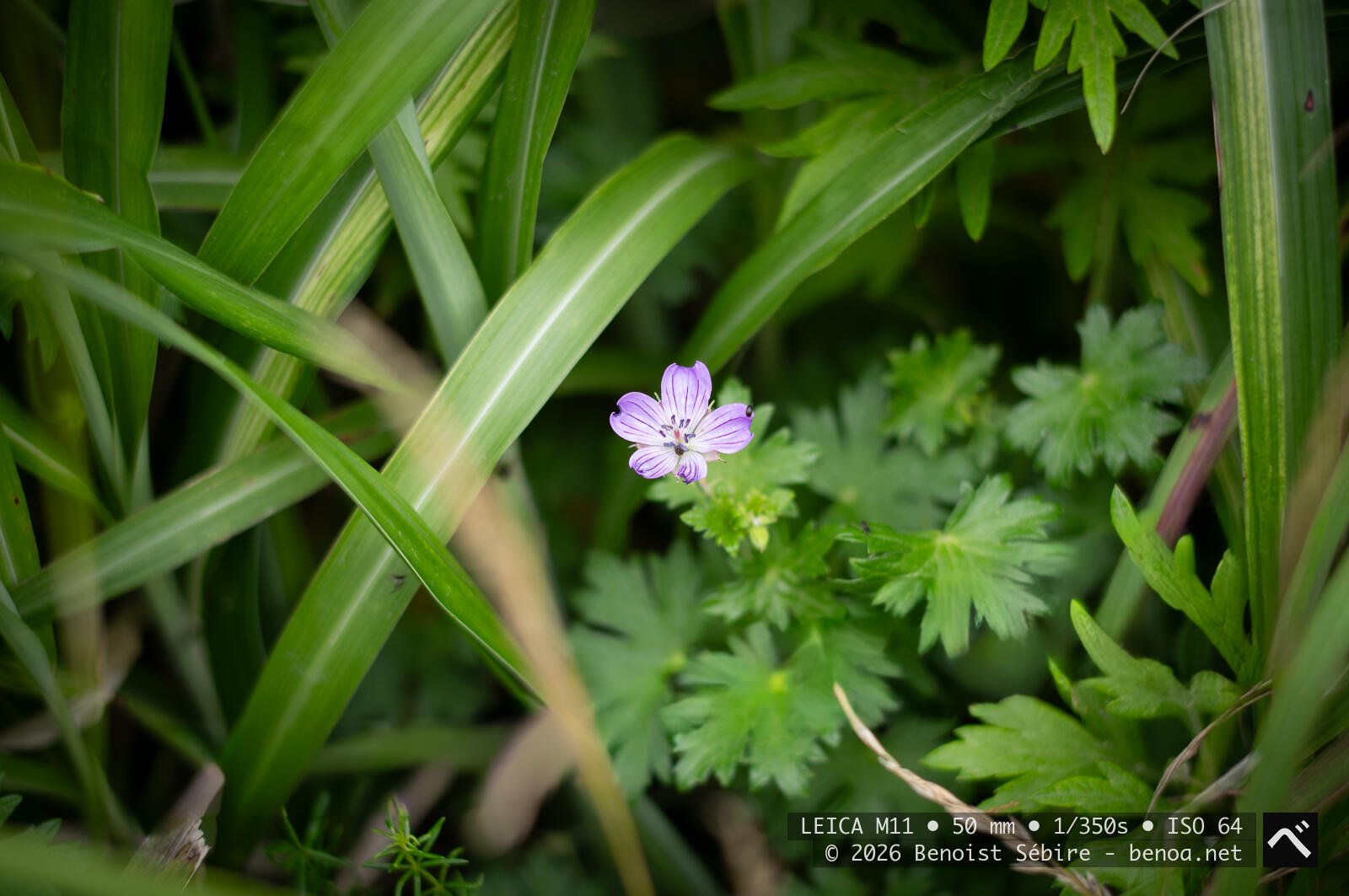
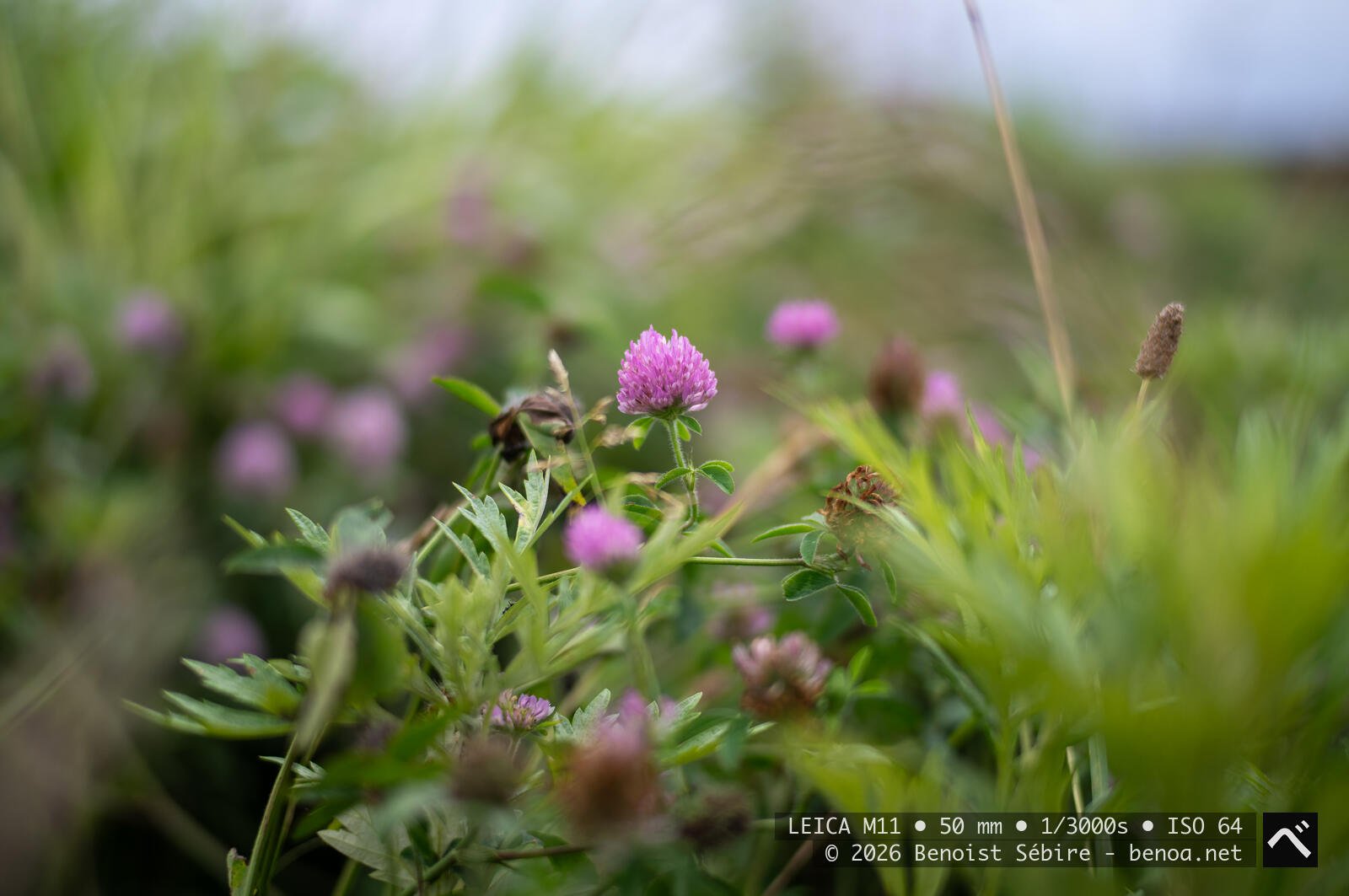
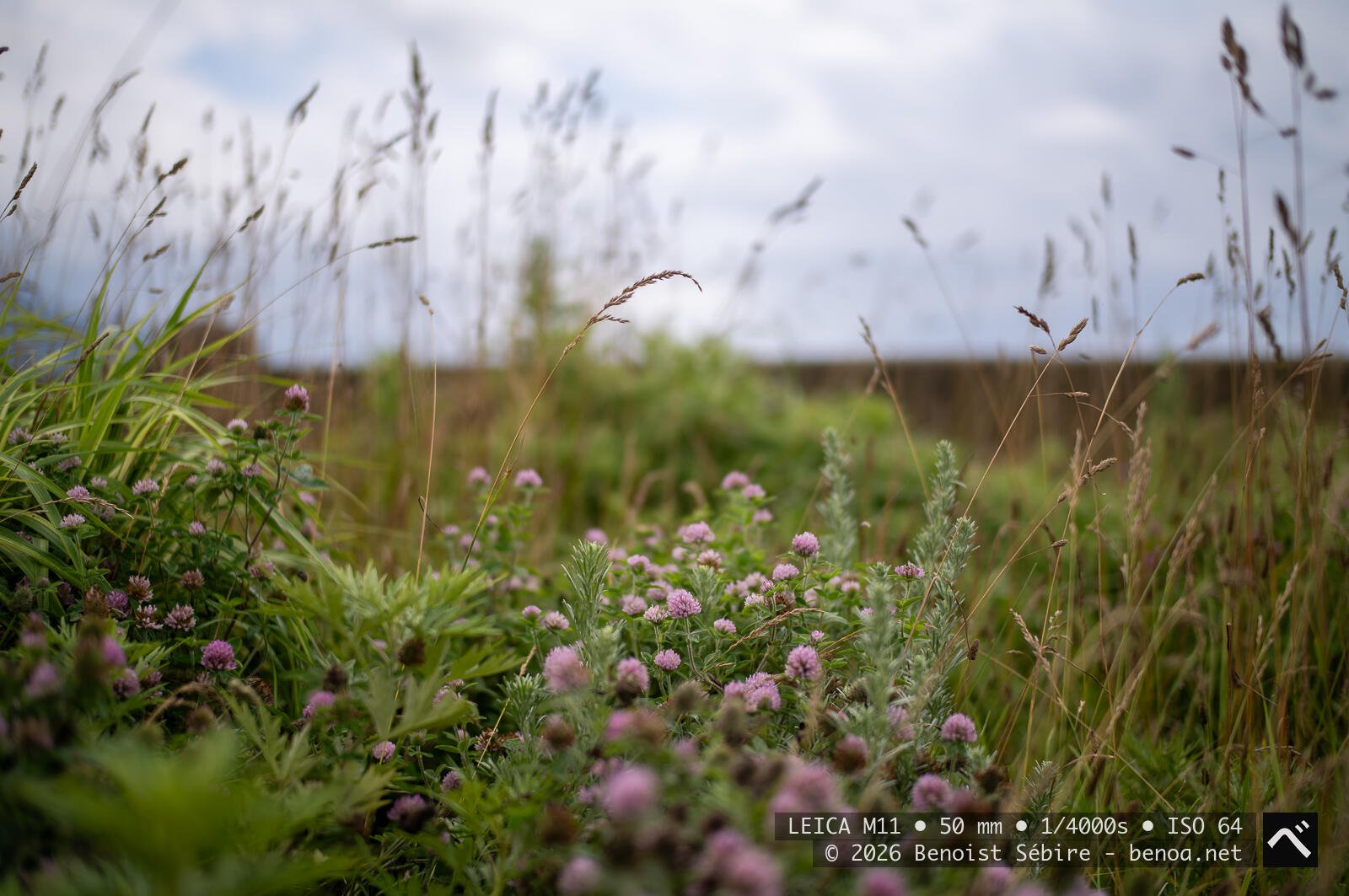
Flowers at Kamui Cape behave like they know they are competing with cliffs and ocean, so they keep things modest. You will see alpine plants clinging to the ridge, small pops of colour that look determined rather than delicate. In early summer, the cape gets patches of wildflowers that break up the greens with yellows and purples, a quiet reminder that nature enjoys decorating even the windiest real estate.